E-commerce site Shopify and WooCommerce should choose how to choose
Choosing the right eCommerce website building platform is a critical decision. It will affect the growth and efficiency of your online business. The main popular eCommerce website building platforms are Shopify and WooCommerce, and before you decide whether to go for Shopify or WooCommerce, understanding their features, advantages and disadvantages can help you make a clearer decision.
Quick Comparison of Shopify and WooCommerce
I have prepared this Shopify vs WooCommerce comparison guide to help you make a choice between WooCommerce and Shopify.
Shopify | WooCommerce | |
|---|---|---|
Market share (2024) | 26.2% of all ecommerce stores, strong performance among high-traffic sites | 20.1% of all e-commerce stores, popular among small WordPress-based custom sites |
usability | All-in-one platform for beginners with fast setup | Requires WordPress experience; offers extensive customization, but has a learning curve |
customizable | Platform limitations and dependence on paid apps for advanced features | Full control over design and functionality with open source flexibility |
cost structure | Monthly subscription, with additional transaction fees if using a third-party gateway | Core plugins are free, hosting, domains and premium plugins add initial costs |
transaction cost | Payment is required unless using Shopify | WooCommerce does not charge any fees regardless of the payment gateway used! |
scalability | Upgrade to higher plan for expansion; straightforward but potentially costly | Highly scalable depending on hosting options and technology configuration |
Application ecosystem | Extensive app marketplace with over 6000 apps | Works with WordPress plugins and themes; several free and paid options available |
content integration | Limited blog and content options | Built on WordPress, ideal for search engine optimization, blogging and content-driven marketing |
Customer Support | 24/7 support via chat, email and phone | Community support and some advanced support options through hosting providers |
Fits the crowd | Beginners or users who want a managed, accessible solution | Enterprises requiring fully customized, content-integrated and controlled infrastructure |
Difficulty of custom development | Due to the closed nature of the system, Shopify custom development can be difficult and expensive. | Custom development is relatively easy and it is also easy to find a third party service company to customize the development. |
Shopify vs WooCommerce Market Share Comparison
Shopify Leads in E-Commerce Platforms as of 2024. According to Mobiloud's datainAll Online StoresMiddle.Shopify It accounts for about 26.21 TP3T, which equates to about 4.65 million sites. WooCommerce is a close second, capturing 20.11 TP3T of the eCommerce marketplace, powering more than 3.5 million sites that use its checkout functionality, with many more sites utilizing WooCommerce elements.
Shopify continues to lead the way among the top 1 million eCommerce stores, accounting for 28.8% of share, compared to WooCommerce's 18.2%.
This data highlights Shopify's popularity among large-scale, high-traffic sites, while WooCommerce's open-source flexibility makes it a favorite among smaller, customizable storefronts in the WordPress ecosystem.
About Shopify

Shopify is a SAAS e-commerce solution. This means that it gives you all the tools you need to build, customize, and manage your online store without requiring you to deal with technical details like hosting, security, or software updates.
However, it's worth noting that Shopify is owned and operated by a private company: Shopify Inc. This means that the platform is not open source or self-hosted. In other words, you don't own the software or infrastructure behind your store.
Instead, you're essentially renting Shopify's ecosystem, including servers, software, and customer support. While this setup offers convenience, reliability, and scalability, it also means that you're subject to the company's pricing, terms of service, and potential limitations.
In a situation like ours - where our new store is just a side project - the pros seem to outweigh the cons in the beginning.
Key Benefits of Shopify
As a hosted e-commerce solution, Shopify offers a range of benefits that self-hosted solutions don't, making it the preferred choice for creators, influencers and even large brands. Its all-in-one platform takes care of hosting, security, payment processing, and updates so you can focus on designing your store and growing your business.
Shopify's simplicity and reliability make it especially attractive to web creators and influencers. The fact that they advertise on sites like YouTube is why I'm placing more emphasis on Shopify this year.
One of the most popular YouTube users in the world MrBeast is a prominent example of someone who uses Shopify to power his merchandise store, mrbeast.store. With millions of followers around the world, MrBeast definitely needs a reliable platform that can handle high traffic. His merchandise drop-offs and promotions generate a lot of orders, so the fact that Shopify can seamlessly manage such demands shows its power.

By removing the complexity of running an online store, Shopify allows both “hobbyists“ like us and creators like MrBeast to focus on what we do best: connecting with our audience and building brands.
Let's take a look at the main advantages of Shopify.
easy-to-use
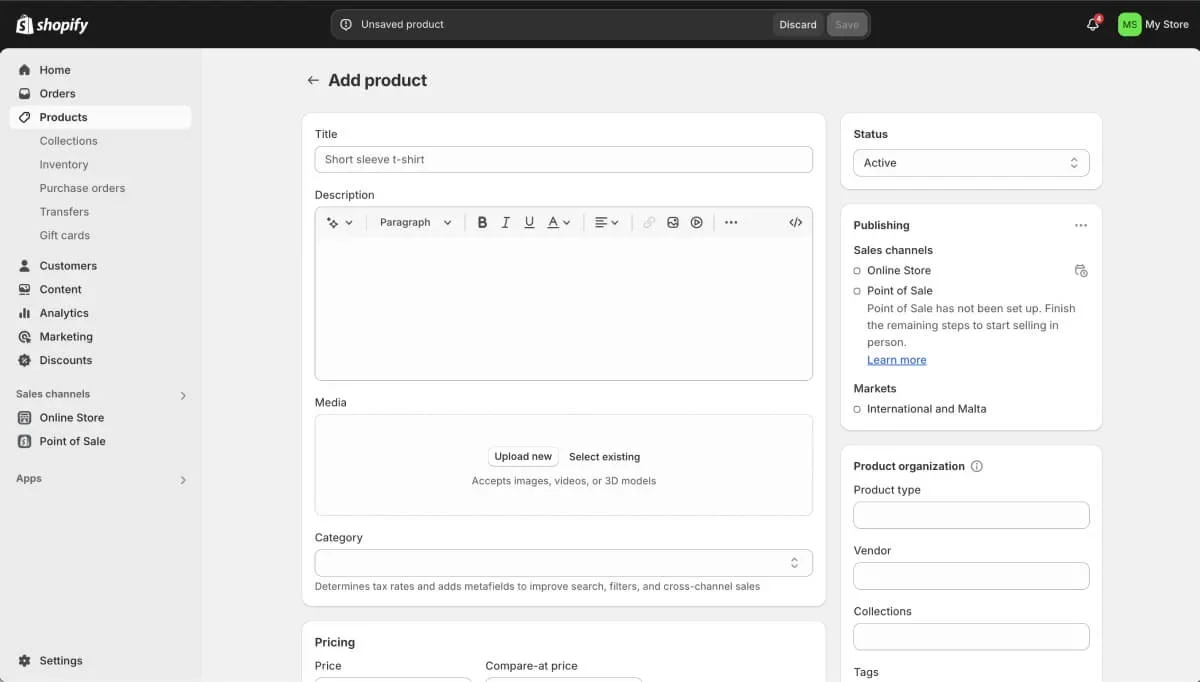
Shopify's intuitive dashboard makes it easy to set up and manage your store without any technical skills. You can get started in hours and access a streamlined interface to manage orders, track inventory, and analyze sales performance.
My first few hours with the Shopify store creation tool felt like a breeze. I easily found what I needed and was able to understand the setup process within minutes.
All-in-one solutions
Shopify is a complete, managed solution, which means it includes hosting, SSL, and built-in security. You don't have to deal with each of these separately as I did with WordPress and WooCommerce.
This becomes invaluable for new business owners who want a “hands-off“ experience with their website management.
Large ecosystem of apps
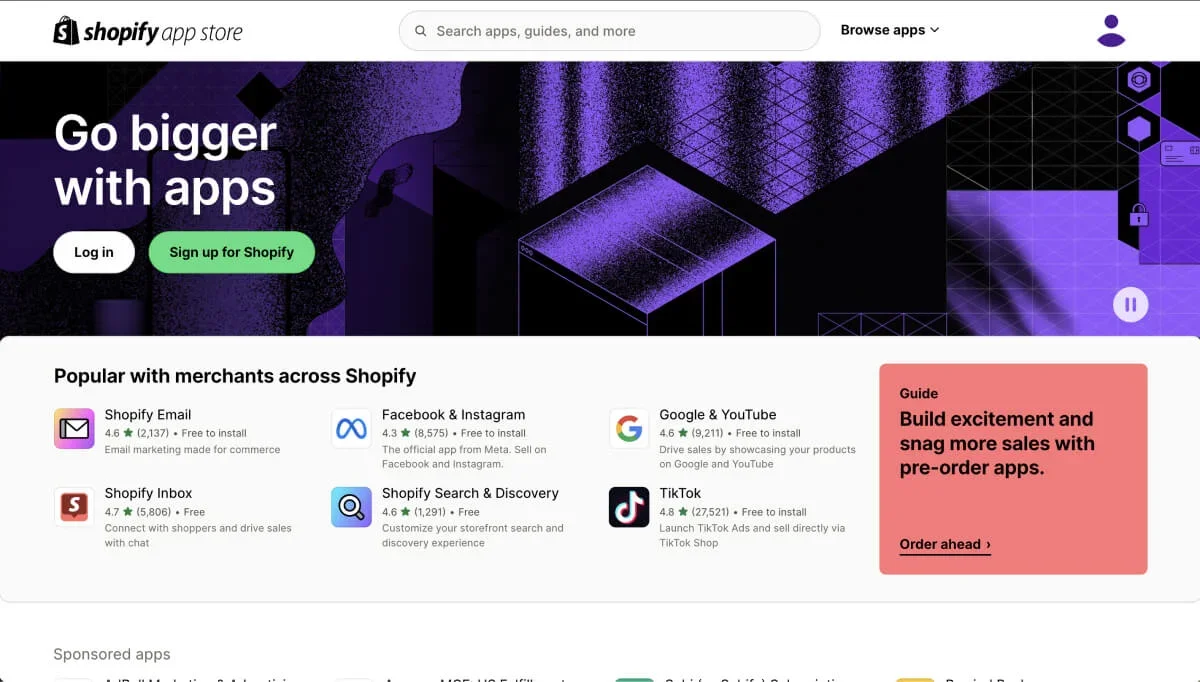
Shopify's app store offers over 6,000 apps. I found everything from search engine optimization tools to inventory management and email marketing. Most of the apps you need can be found in the app store, especially for new stores.
24/7 Customer Support
Shopify offers 24/7 support via chat, email, and phone. For businesses new to e-commerce, this level of support can help smooth setup or resolve unexpected issues.
Over the years, we've seen the problems eCommerce store owners face through our research on WooCommerce, so that alone is enough for us to vote in favor of Shopify.
Cons of Shopify
As a hosted solution, Shopify also comes with some limitations and drawbacks that you should consider. If you plan to stay small, these limitations and drawbacks may not affect your store initially, but they will have an impact when you scale up.
Limited customization options
Since Shopify runs in a closed ecosystem, customization options are limited to what the platform allows. Premium features may require paid apps, which may increase your monthly costs.
Transaction costs and extensions
Unless you're paying with Shopify, Shopify charges a transaction fee for each sale, which can affect profits in the long run. Transaction fees range from 2% to 0.2% depending on the plan you use.
Similarly, Shopify'sSubscription and application feesIt also increases over time, which makes it more expensive for growing businesses.
I will come back to the financial aspects later.
Introduction to WooCommerce
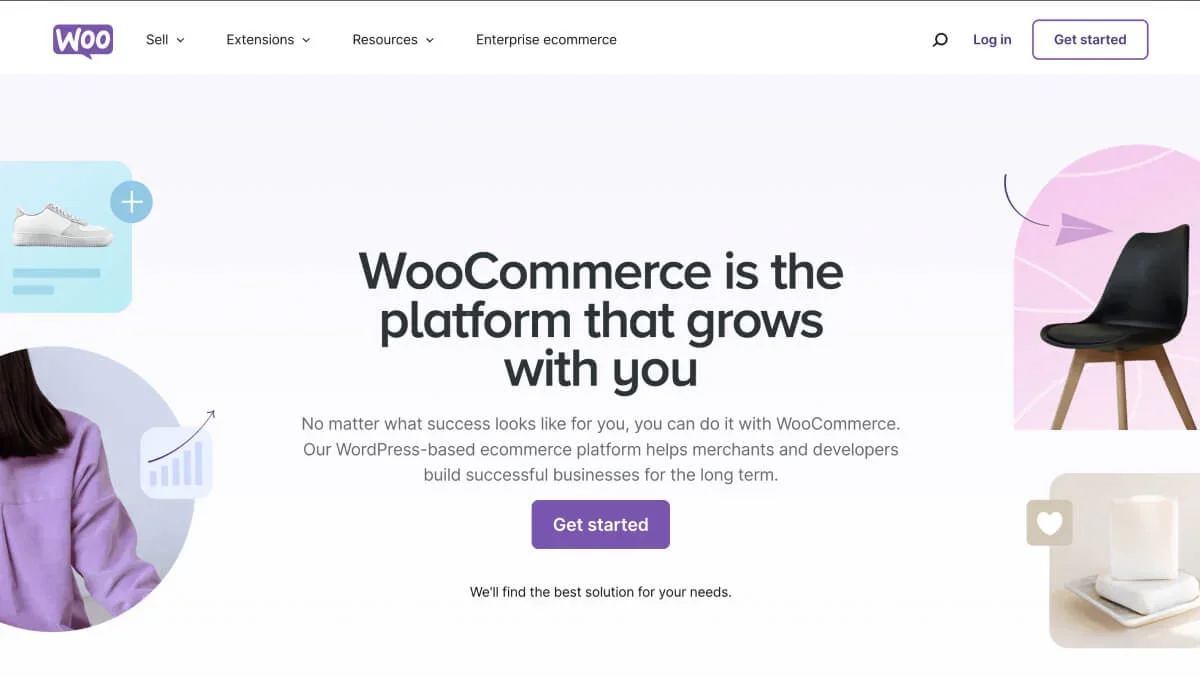
WooCommerce is a free, open source plugin designed for WordPress and is one of the most versatile solutions for creating and managing an online storefront. As an open source tool, WooCommerce offers unparalleled customization features that enable businesses to create unique storefronts based on their specific needs.
This level of control makes WooCommerce ideal for organizations that value flexibility and want to build e-commerce that fits perfectly with their brand image.WooCommerce is especially suited for developers, agencies, or tech-savvy entrepreneurs who can manage hosting, security, and updates themselves.
In addition, the open source nature of WooCommerce fosters a vibrant community of developers and contributors, ensuring a constant flow of extensions, themes, and resources.
While this approach offers greater freedom and scalability, it can require more hands-on involvement and technical knowledge than simpler, fully hosted solutions.
Key Benefits of WooCommerce
In contrast to Shopify, since WooCommerce is self-hosted, you can use it as much as you want (or as much as your wallet allows). This is the main reason why WooCommerce has grown into a widely used eCommerce platform over the past few decades.
Customization Options
With WooCommerce, you have the freedom to control every aspect of your store, from design to functionality. You can use custom code, third-party plugins, or integrate a custom checkout process to make your store unique.
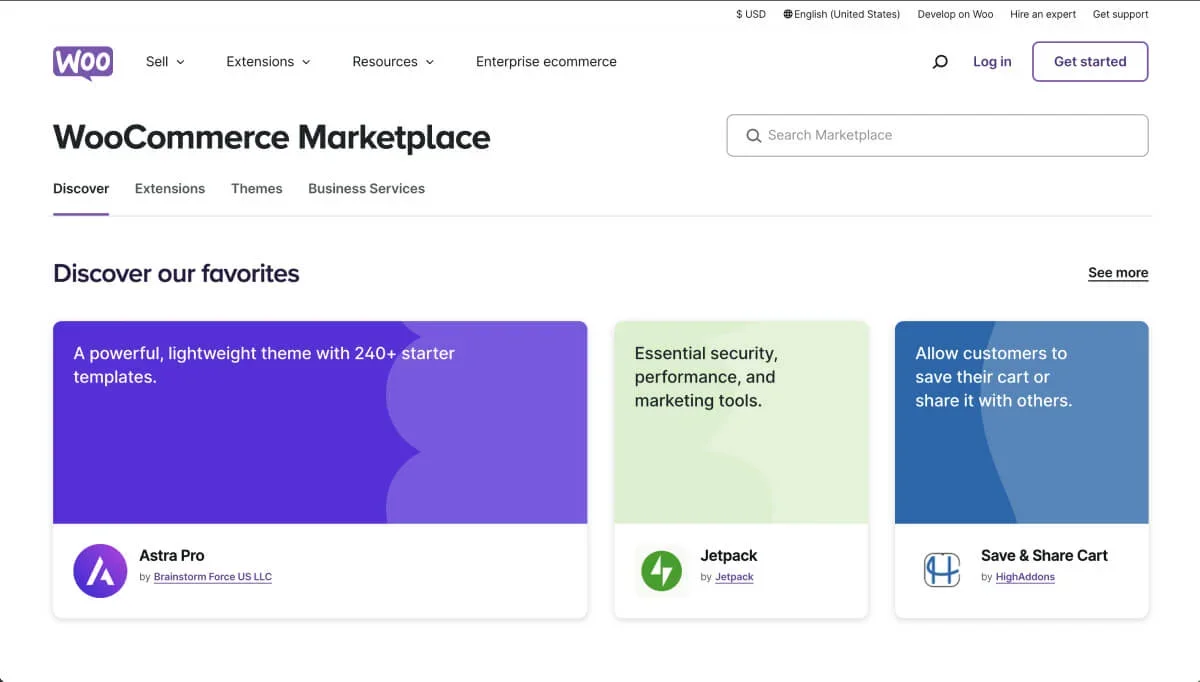
There are thousands of third-party WooCommerce plugins that can do just about anything. From building sales funnels to integrating shipping solutions, I've seen it all over the years.
No transaction costs
WooCommerce itself doesn't levy transaction fees, so you can maximize your profit margins. Unlike Shopify, you can integrate almost any payment gateway at no extra cost.
Some of these gateways do require premium plug-ins, but the license fees for these plug-ins usually range from $29 to $99 per year and won't affect your store's profits at all.
Scalability and control
WooCommerce allows you to choose your hosting provider and allows for expansion as you grow.
Today, most of the top hosting companies offer hosting services specifically for WooCommerce. They provide you with everything you need to run a fast, scalable eCommerce store, and many times offer managed hosting where they handle most of the technical aspects.
Built-in content integration
Built on WordPress, WooCommerce gives you an easy way to add blogs, guides, and landing pages to your website for a content-driven marketing strategy, which is a natural advantage when it comes to SEO.
Disadvantages of WooCommerce
WooCommerce may not be the best choice for non-tech savvy store owners and those who don't want to get too involved in the behind-the-scenes work of daily store operations.
The open source and self-hosted nature means you need to be more involved in building and maintaining your own platform. I've been doing this for our website for over a decade. While issues don't come up every day, when they do, it's important to know what you're doing or have someone on the team who knows what they're doing.
Required technical knowledge
WooCommerce has a steeper learning curve than Shopify. Managing web hosting, SSL, and security can be challenging for beginners, but these elements provide a level of control that hosted solutions do not.
It would be great if you have someone on your team who understands all these aspects and can help you optimize them. Otherwise, this will become an issue over time and can cause more trouble than you expect. For example, compatibility issues between third-party plugins can become a reality early on.
The initial cost of building a website is slightly higher
While WooCommerce itself is free, the cost of hosting, domains, and premium plugins can add up. It's not just about getting your store online, you need to maintain and grow it over time.
Since WooCommerce doesn't work out-of-the-box like Shopify, we'll need to set up WooCommerce a bit more to make it work properly, but of course, if you're tech-savvy, you can easily find a third-party tech service company to help you initially!
How I Compare Shopify and WooCommerce
In order to fairly evaluate Shopify, I invested a significant amount of time researching its features, benefits, and nuances to identify the key differences between the two platforms. In the process, I focused on a few key areas that are most relevant to businesses choosing between the two platforms.
Ease of use and flexibility
Shopify's ease of use is one of its strongest selling points, making it a great choice for beginners and entrepreneurs who focus on simplicity and speed. Here are a few of the main reasons why I love Shopify:
- It provides aStep-by-step process of usethat can help you set up your store with ease. From choosing a theme to adding products and configuring payments, the platform takes the guesswork out of it by guiding you at every stage.
- Shopify has a variety ofProfessionally designed themesAvailable to choose from, users can quickly create visually appealing storefronts. These themes are responsive, ensuring that your store looks good on any device. More details on this later.
- Shopify IntuitiveDrag and Drop Design EditorLets you customize your store without having to know the code. You can easily rearrange elements, edit content, and adjust colors and fonts to match your brand.
- Tools and Themes for ShopifyMobile-friendly right out of the boxIt allows you to manage your store and provide a great shopping experience for your customers on any device.
In addition to the visual elements, Shopify also helps in other technical areas:
- Hosted by Shopify, so you don't have to worry about finding a server or managing technical settings. It also has built-in SSL encryption to ensure your store is secure from the start.
- Shopify App Store A large number of applications are provided to expand store functionality with just a few clicks. From marketing tools to inventory management, most features can be added without any technical knowledge.
- Shopify Payments is fully integratedIt is easy to start accepting payments immediately. External gateways, such as PayPal or Stripe, can also be enabled with minimal setup.
For those experiencing difficulties, Shopify's24/7 Customer SupportThe team is available via live chat, email or phone to help resolve issues quickly.
Unlike self-hosted solutions, theShopify even handles software updates automaticallyMake sure you always have access to the latest features and security patches for your store.
In short, whether it's server maintenance, troubleshooting, or optimizing performance, theShopifyIt's all there for you.Addressing technical aspectsIt allows you to focus entirely on running your business.
These features make Shopify ideal for users who value a fast, hassle-free setup, allowing them to launch and grow their store without getting bogged down by technical complexities.
On the other hand.WooCommerce Familiarity with WordPress is required, as it is a plugin for that platform. While this setup has a steeper learning curve, it provides you with more flexibility and control.
If your business is looking for a truly unique storefront, you'll find that the open source nature of WooCommerce lends itself well to customization, allowing you or your developers to customize every aspect of the store.
cost structure
ShopifyThe monthly fees are predictable and there are additional fees for certain apps and transaction fees unless paid with Shopify.
If properly managed.WooCommerceThe overall cost of the program is generally low, but the need for hosting, security and advanced plug-ins can increase rapidly!
Store settings customization and control
If your goal is to build a fully customizable store with unlimited control, then WooCommerce is the better choice.Shopify, while customizable to a certain extent, relies on third-party apps that don't offer the same flexibility and control as WooCommerce.
scalability
Both platforms are scalable, but in different ways.Shopify Provide a structured growth plan, while WooCommerce Instead, it lets you expand by choosing more powerful hosting options and add customization whenever you want over time.
Payment Options
Shopify favors its internal Shopify Payments and charges for external gateways, while WooCommerce integrates with any payment processor with no additional payment fees. That said, some payment gateway integrations are also paid for, so you'll need to pay an annual fee to continue using them.
Store design and theme
Design flexibility is a key factor for businesses looking to create a branded shopping experience, and both Shopify and WooCommerce offer plenty of themes and customization options, but they take different design approaches. Here's a breakdown of each platform's design features.
Shopify Streamlined and Professional Theme
Shopify has a great deal to offer in itsShopify Theme StoresA hand-picked selection of themes, both free and premium, are available in the. The platform emphasizes high-quality, mobile-responsive designs that are easy to set up with minimal customization.
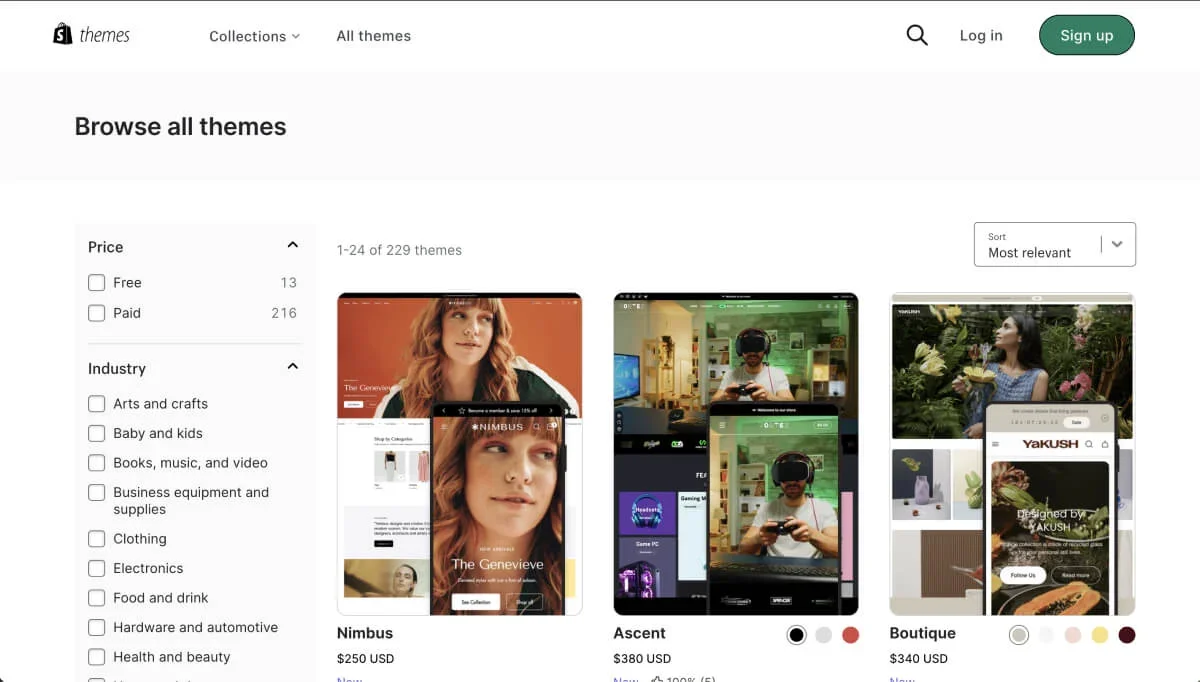
Here's a brief overview of how Shopify themes work:
- Shopify ThemesSimple design, with customizable sections such as header, footer, and featured products. Editing is easy with Shopify's drag-and-drop editor for users with no design experience.
- All Shopify themes by default go through theMobile Optimization, making sure your store looks good on a variety of devices right from the start.
- even thoughThere are free themes availableBut many users will choosePremium themes (ranging from $150 to $350)They offer more advanced layouts and customization options.
- Shopify themes havebuilt-in support, which means you can get help from the Shopify team or theme developers to troubleshoot and make adjustments.
Shopify's closed system means that customization may be limited beyond the themes and features available in the Shopify Theme Store. Many advanced design changes require code modifications or third-party applications, which will obviously increase your costs.
WooCommerce: Complete Design Freedom with WordPress Themes
Built on WordPress, WooCommerce gives users access to a huge library of themes, ranging from free options to highly customizable premium themes.WooCommerce's flexibility makes it a popular choice for brands with specific design requirements.
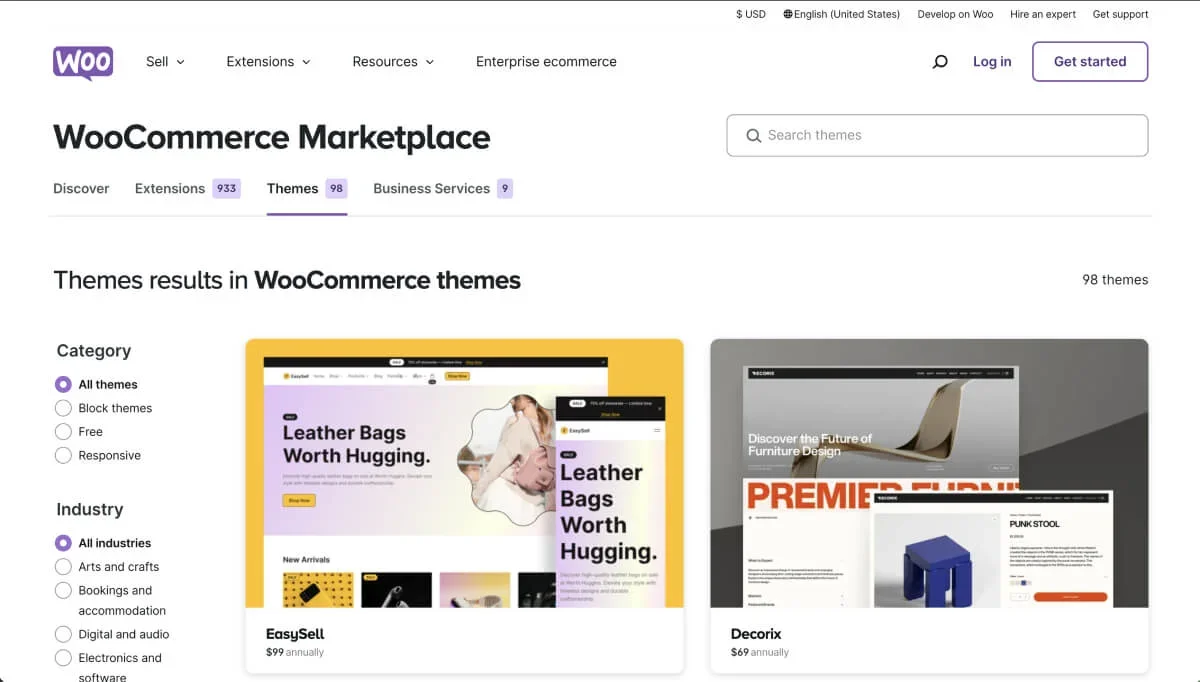
Here's why WordPress themes might be better for you:
- WooCommerce works almost as well asAny WordPress ThemePopular build tools such as Elementor, Divi, Bricks, and others also integrate directly with WooCommerce, offering a wide range of customization options.
- WooCommerce themes are available at a variety of price points, ranging from free themes to premium options ranging from $40-$100. Additionally, you can add specific features through WordPress plugins, which, while providing flexibility, will also increase (potentially dramatically) your annual costs.
- WooCommerce's open-source framework allows users to execute custom code whenever and wherever needed, so you're free to change almost every aspect of your design to suit your brand. That said, custom code can break when updates to WooCommerce or third-party plugins are released, so keep a close eye and test regularly.
While WooCommerce offers essentially unlimited design freedom, it requires a greater investment of time and sometimes technical knowledge to set up and maintain. Additionally, the quality of WooCommerce's theme options varies, so it's important to choose a reputable theme provider.
reach a verdict
Shopify and WooCommerce each have their own strengths and weaknesses to meet different business needs; Shopify's ease of use makes it ideal for beginners, while WooCommerce's customization options give advanced users the flexibility they need to grow.
After reading this article, if you're still on the fence about whether to choose Shopify or WooCommerce, talk to us via the contact form on the right side of the site and we'll give you professional advice based on your business type.